before terms.
Non-adversarial dispute resolution for the resources, energy (including renewables) and infrastructure sectors.
We work in the moment when the legal team says "we'll fight this" and a director quietly calculates what another eighteen months of delay actually costs.

A project stalled by a stakeholder dispute costs $2–4 million per month:
- Carrying costs, lost revenue and capital servicing, as at 2026.
- Incurred before a lawyer sends a single letter.
- By application only.
- Deliberately small by design.
- Every matter led personally by a principal — Nick or Craig — never delegated to junior staff.
- Billed hourly while we scope the matter.
- Then a single fixed fee once its complexity is clear.
- Confidential and faster than a court process, structured to limit project delay and relational damage.
Win in court. Lose the project?
Litigation can win the argument and still cost you the project: it adds millions in legal spend, delays timelines by years, and damages the relationships with the stakeholders whose support the next approval depends on.
Plenty of companies and developers win in court and still lose on the ground: they take the judgement and forfeit the social licence, then find the next approval harder than the last.
When stakeholder opposition stalls a mining, infrastructure or energy project, the carrying costs, lost revenue and capital servicing can run into the millions every month, long before a lawyer even sends the first letter.
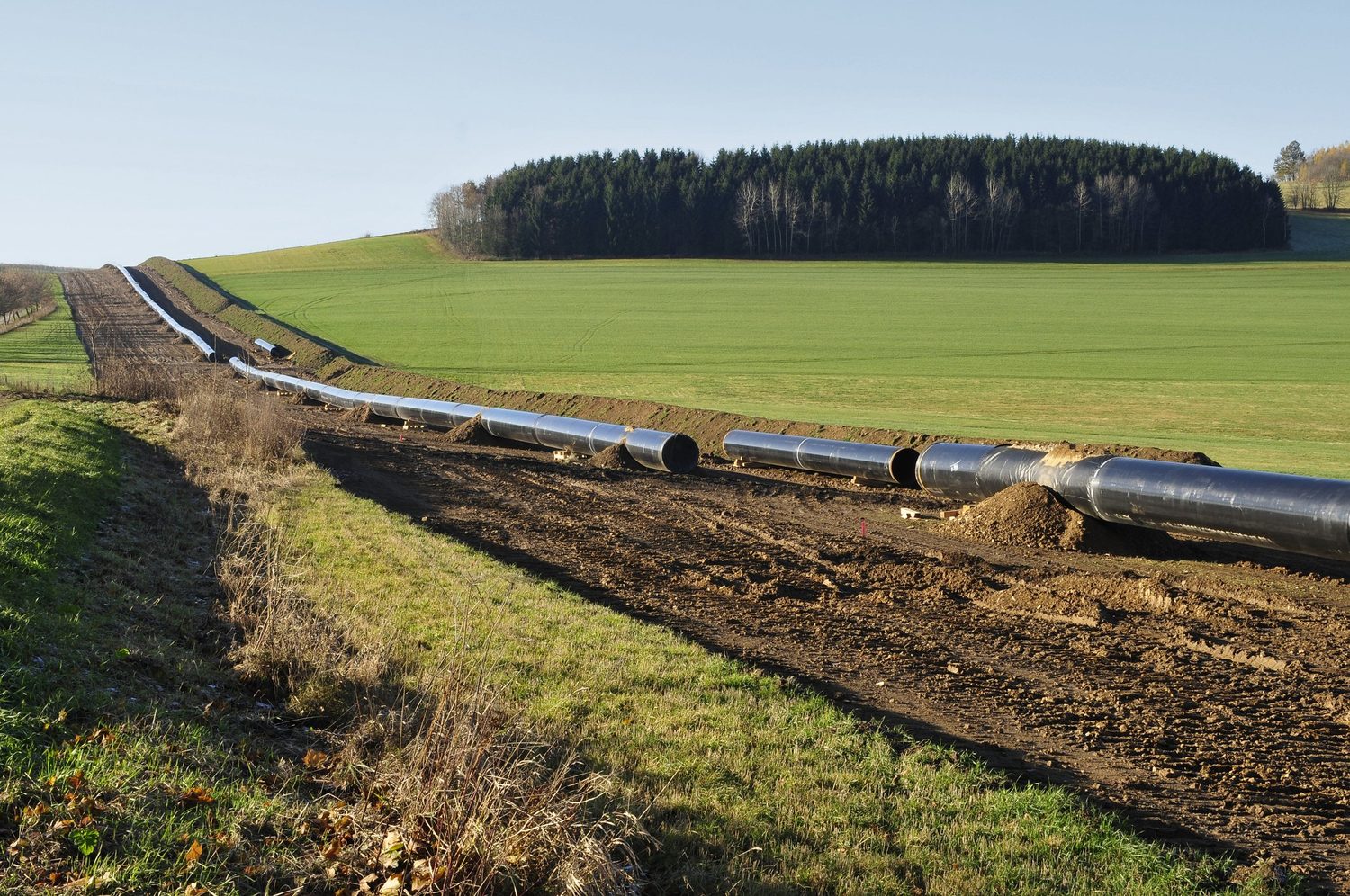
Litigation then compounds it on four fronts
- Cost — adds millions more in legal spend on top of the carrying cost already running.
- Time — can take years, during which the project stays stalled.
- Publicity — draws headlines, moving a private grievance into a public campaign.
- Relationship — hardens the position of the very stakeholders whose support the next approval depends on.
How Social Licence Resolution compares
| Route | How it typically runs | How Equipoise differs |
|---|---|---|
| Litigation | Public, adversarial, years long; ends in a judgement one side must enforce. | Confidential, resolved in a fraction of the time, and it leaves a working relationship rather than an enforceable order. |
| Conventional mediation | Convenes two entrenched positions late and splits the difference between them. | We begin on the stakeholder side and earn trust before any commercial term is on the table. |
| In-house or external counsel alone | Acts as one side’s representative, which limits what the other side will say. | We sit between the parties as a neutral, which is what lets both sides own the agreement that results. |

Human consensus begins where the technical case ends.

Two principals. Every matter.
Equipoise is deliberately small. Every matter is led by one of its two principals, both senior practitioners who have sat on the operator's side of the table, never a junior team.

Former CEO of a public mining company, an accredited mediator (Resolution Institute) and a lawyer admitted in NSW — on the Law Society of NSW register of approved lawyer mediators — and in South Africa.
A Magic Circle-trained disputes lawyer of twenty-five years and a mediator, admitted in England and Wales, Australia — on the Law Society of NSW register of solicitors — and South Africa.
Our Resolution Framework.
A six-stage method, built on principled negotiation. Equipoise sits between the parties, facilitating rather than representing, and helps both sides move toward an agreement they can own.
Listen first
Work begins on the stakeholder side; trust is earned before any commercial term is on the table.
Convene
Both parties in a shared room under ground rules that neutralise the adversarial frame.
Reframe
Positions become interests; interests become options; the unwinnable argument becomes a shared problem.
Negotiate
Principled negotiation anchored in objective criteria, with each option tested against the courtroom alternative.
Document
Agreements drafted to bind, to last, and to survive the staff turnover that defines most projects.
Sustain
Six- and twelve-month touchpoints; renewal is part of the engagement, not an upsell.
Three things set this apart from a conventional mediation or a legal process: the work starts on the stakeholder side rather than at a convened table; cultural competence is treated as core practice rather than an add-on, particularly in native title and cultural heritage matters; and the engagement does not end at signature — the sustain stage is included, where most processes stop once terms are agreed.
The framework came out of a Central West NSW easement dispute — one of six anonymised matters set out in our working paper, with what each one cost.
Where this applies.
Equipoise & Co works in every Australian state, in the four dispute categories where conventional legal approaches most often win the argument and lose the project.

Land Access & Compensation
Breaking the deadlock on private-landholder access for resources, energy and infrastructure operations, and the compensation that comes with it, before access turns into litigation.
Explore this area →
Native Title & Cultural Heritage
Convening and resolving negotiations between operators and Native Title parties, and the cultural heritage matters that run alongside them. Built on cultural competence rather than legalese.
Explore this area →
Coexistence Between Mining, Energy & Renewables
Overlapping tenure and operational conflict where two projects compete for the same ground. We resolve who builds what, where, and on what terms.
Explore this area →
Environmental & Community Disputes
Resolving standoffs between projects and the communities, regulators and groups raising substantive environmental or social concerns, before objection hardens into a public campaign.
Explore this area → The pain
we relieve
These figures come from matters our principals have led. Six of them are set out as anonymised case narratives — a platinum operation, a Tasmanian exploration project, a Central West NSW easement dispute, an arrested bulk carrier and a financial-services mis-disclosure claim — with what each one cost before anyone tried talking.
Read the patterns behind the numbers →Any side of the table — and those who advise them.
We are not retained by one side to defeat another; we are engaged to resolve the dispute itself. That means we work with — and earn the trust of — everyone with a stake in the outcome.
Resources, energy (including legacy hydrocarbons and renewables) and infrastructure companies
Boards, CEOs and general managers, chief legal officers, in-house counsel and social-performance teams carrying a project through a dispute with communities, landholders or NGOs.
Resolves the stall without spending the relationship the next approval depends on.
Landholders & community groups
Landowners affected by Australian mining and energy projects, and the communities around them — where being genuinely heard is the first step toward a durable agreement.
Gives you a seat at a table where your interests are worked out, not a process run over the top of you.
Native title parties
Traditional owners, elders and Prescribed Bodies Corporate (PBCs) negotiating native title agreements and cultural heritage arrangements with projects operating on their country.
Negotiation conducted with cultural competence as core practice, on your terms and in your time.
NGOs, industry bodies & associations
Non-government organisations and peak bodies seeking a resolved outcome rather than a prolonged public fight that hardens positions on every side.
Converts a public campaign into a private negotiation that can actually change the outcome.
Consultants & law firms
Social-performance and regional managers at advisory firms, and law-firm partners, who bring in an independent resolver when a matter has moved beyond ordinary engagement.
A neutral you can bring in without ceding the client relationship or your own mandate.
Calm is the Weapon
A book by Nick van der Hoven, expected 2027. Drawn from twenty years of stories from inside the resources sector and the rooms where the difficult agreements were made.
Read more →"Most negotiators arrive armed. The ones who win the impossible rooms arrive composed. The story of how I learned the difference began on a plastic chair under a tin roof, in a rural village in Africa, in the fifth week of a labour strike that should have closed the mine."
The things people ask first.
What is Social Licence Resolution?
A specialist dispute resolution practice that resolves the stakeholder disputes stalling resources, energy and infrastructure projects before they reach litigation. A project’s social licence is the ongoing acceptance of it by the landholders, communities and regulators around it — distinct from its legal right to operate, and capable of being lost while that legal right is retained.
- What it resolves — stakeholder disputes that stall resources, energy and infrastructure projects.
- Who the parties are — landholders, Indigenous communities, regulators and local groups.
- When it applies — before the dispute becomes litigation.
- What it aims at — preserving the relationships the next approval depends on, rather than winning an argument and losing the project.
How is it different from going to court?
Litigation is built to decide who is right. It is slow, public, and it hardens the relationship you still depend on. Social Licence Resolution differs on four counts.
- Confidential — not a matter of public record.
- Faster — materially quicker than a court process.
- Durable — an agreement both sides will keep, not a judgement one side must enforce.
- Neutral — we sit between the parties, facilitating rather than representing either one.
Who can engage Equipoise?
Any side of a dispute. We are engaged to resolve the matter itself, not to defeat one party on behalf of another.
- Operators — resources, energy and infrastructure companies.
- Landholders and communities — those a project directly affects.
- Native title parties, NGOs and industry bodies — traditional owners, PBCs and peak bodies.
- Consultants and law firms — bringing in an independent resolver once a matter has moved beyond ordinary engagement.
What areas do you work in?
Four dispute categories, across the resources, energy (including legacy hydrocarbons and renewables) and infrastructure sectors, Australia-wide.
- Land access and compensation — private-landholder access, and what is paid for it.
- Native title and cultural heritage — agreements with native title parties, and the heritage matters alongside them.
- Coexistence — overlapping tenure between mining, energy and renewables.
- Environmental and community disputes — standoffs with communities, regulators and objector groups.
How much does an engagement cost?
Engagements are priced in two steps, so you are not asked to fix a fee before anyone knows the shape of the dispute.
- Scoping phase — billed hourly, so you pay only for what the early diagnosis actually takes.
- Balance of the matter — a single fixed fee, agreed once the complexity is clear.
- Capacity — a small number of matters each year, so a principal leads every one personally.
How long does a matter take?
It depends on the dispute, but resolution is materially faster than a court process. The engagement runs in three phases across the six stages of our framework.
- Listening and convening — earning trust on the stakeholder side, then getting both parties into a shared room.
- Reframing and negotiating — turning positions into interests, then testing options against objective criteria.
- Documenting and sustaining — a binding agreement, then six- and twelve-month touchpoints to keep it durable.

If your situation warrants a conversation.
Equipoise & Co takes six to eight matters per year, by application only. Everything you share is confidential and goes directly to Nick, the principal, and you will hear back within five business days. If you believe your matter needs to be one of them, answering the questions below will give us the context we need to respond.