Calm is the Weapon — a book by Nick van der Hoven
"Most negotiators arrive armed. The ones who win the impossible rooms arrive composed. The story of how I learned the difference began on a plastic chair under a tin roof, in a rural village in Africa, in the fifth week of a labour strike that should have closed the mine."
The negotiation book that gets written from inside the room.
Calm is the Weapon is a working title for a book in preparation, drawn from twenty years of stories at the intersection of mining, energy and the communities whose consent those industries require.
Most negotiation books are written by people who study the field. This one is written by someone who has been the CEO standing across the table from an Indigenous elder, the law clerk in a courtroom watching a judgment go the wrong way, the mediator in a room where neither side believed mediation could work. The stories are not theoretical. The lessons in them are unromantic.
The book argues that the strongest negotiating posture is rarely the loudest, rarely the most prepared, and rarely the one with the most leverage. It is the one most able to stay still — to absorb pressure without escalating, to hold a position without hardening, to wait for the moment when the other side is willing to move. That posture is what the book calls calm. And calm is the weapon.
From Chapter One — "The Village."
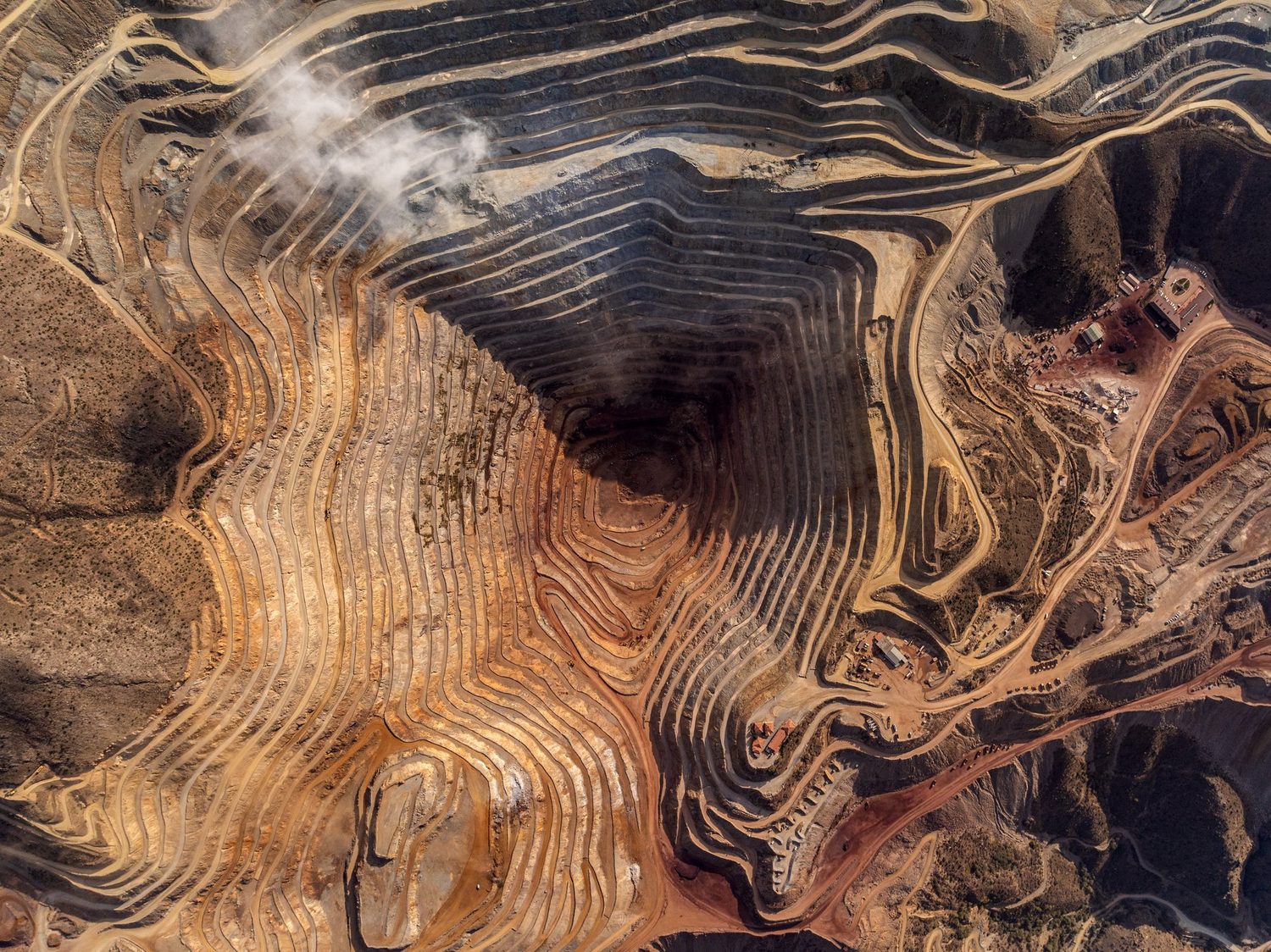
The pit had been profitable for many years. Then we went underground, and within eighteen months the cost per tonne had nearly doubled. The commodity price had not moved with it.
I was the CEO. The margin was thin enough that any disruption — equipment, weather, regulatory — would close the gap and then open it on the wrong side. What we got was a labour strike.
Three weeks went by, then four. The board called daily. The lawyers in the city called more often. They had been engaging — politely, formally, by letter — with the Indigenous elders who represented the workforce. The letters were precise and citation-rich. They were also being read in a village a long way from any boardroom, and they were landing the way letters always land when they arrive in places they do not understand.
In the fifth week I left the city, flew to the mine, then drove the last hours on a road that had not been resurfaced in a generation. The village was quieter than it should have been. There had been violence in the region the year before — a different dispute, a different company — and the lawyers had been very clear about my not going.
I stayed for days. I did not bring a position paper. I sat with the elders, drank what they offered, and listened to what they were actually telling me — which was not the thing the letters from the city had been answering. What they were telling me was about whose grandchildren would still be working at this mine in twenty years, and on what terms, and whether they would be treated like men or like an input cost.
The deal we made was not the deal the lawyers had been drafting. It was a different deal, with different terms — and it cost us more in the short term and saved the mine in the long one. We made it sitting on plastic chairs under a tin roof, in a rural village in Africa, with the risk of the room turning at any hour and a flight home that nobody in the city believed I should be taking.
I stuck with it. And I remember the drive back to the airstrip thinking the lawyers had been doing exactly what they were trained to do, and that what they had been trained to do was the wrong thing for this room. I had not learned that in law school. I had learned it in the days I had just spent on a plastic chair, listening.
Be among the first to read it.
Calm is the Weapon will be released in 2027. Leave an email below and we will send one advance chapter when the manuscript is far enough along — and the book itself when it ships.