Dispute Resolution
Non-adversarial resolution of the stakeholder disputes that stall resources, energy, telecommunications and infrastructure projects. We work in the moment when the legal team says “we’ll fight this” and a director quietly calculates what another eighteen months of delay actually costs.

Win in court. Lose the project?
Litigation can win the argument and still cost you the project: it adds millions in legal spend, delays timelines by years, and damages the relationships with the stakeholders whose support the next approval depends on.
Plenty of companies and developers win in court and still lose on the ground: they take the judgement and forfeit the social licence, then find the next approval harder than the last.
When stakeholder opposition stalls a mining, infrastructure or energy project, the carrying costs, lost revenue and capital servicing can run into the millions every month, long before a lawyer even sends the first letter.
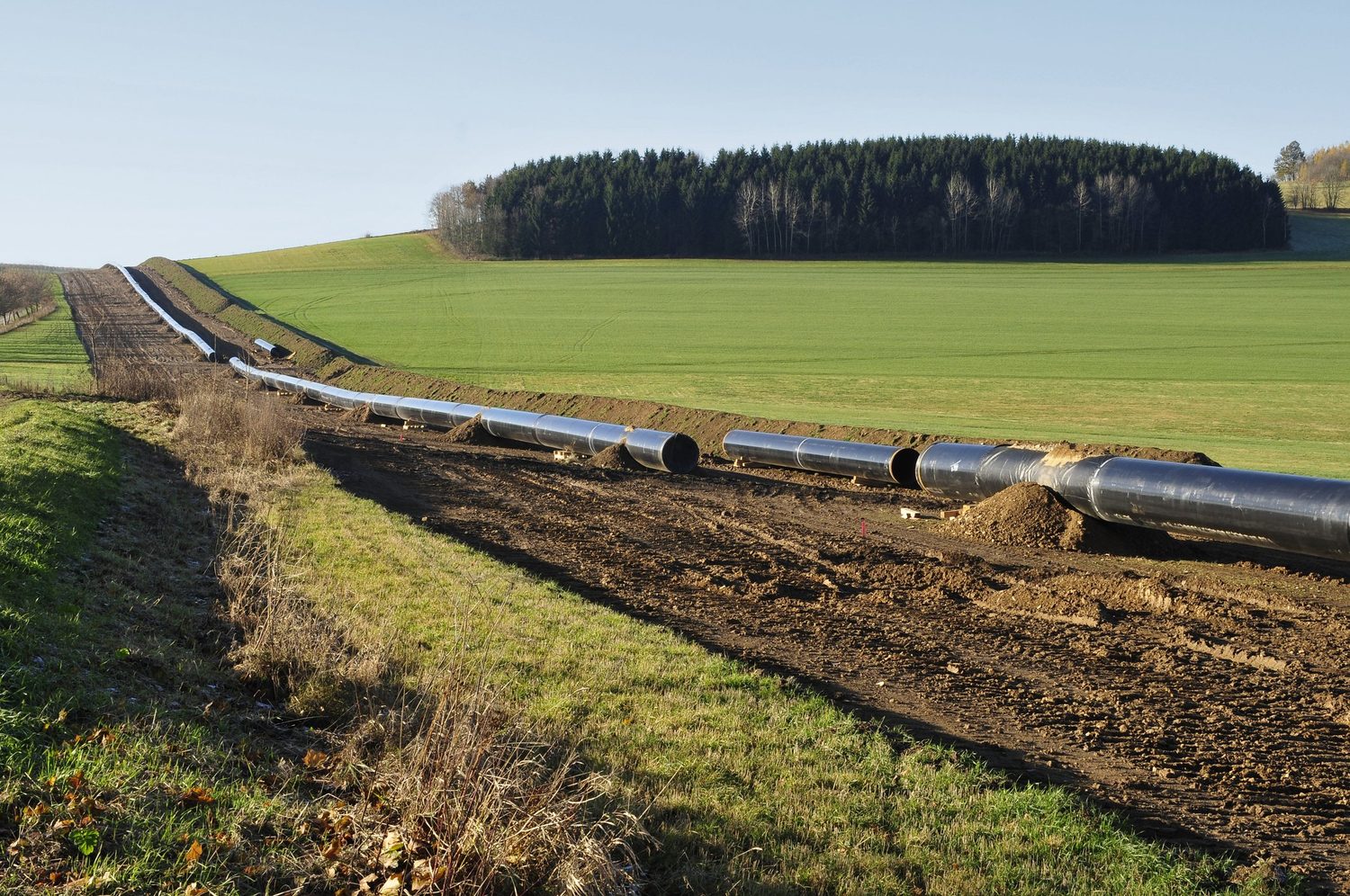
Litigation then compounds it on four fronts
- Cost — adds millions more in legal spend on top of the carrying cost already running.
- Time — can take years, during which the project stays stalled.
- Publicity — draws headlines, moving a private grievance into a public campaign.
- Relationship — hardens the position of the very stakeholders whose support the next approval depends on.
How Social Licence Resolution compares
| Route | How it typically runs | How Equipoise differs |
|---|---|---|
| Litigation | Public, adversarial, years long; ends in a judgement one side must enforce. | Confidential, resolved in a fraction of the time, and it leaves a working relationship rather than an enforceable order. |
| Conventional mediation | Convenes two entrenched positions late and splits the difference between them. | We begin on the stakeholder side and earn trust before any commercial term is on the table. |
| In-house or external counsel alone | Acts as one side’s representative, which limits what the other side will say. | We sit between the parties as a neutral, which is what lets both sides own the agreement that results. |
Our Resolution Framework.
The six-stage method behind our Social Licence Resolution service. Equipoise sits between the parties, facilitating but never representing, and helps all sides move toward an agreement they can own.
Set out the legal framework
Anchor both sides in what happens if talks fail.
Listen
Substantive negotiation begins on the stakeholder side; trust is earned before any commercial term is on the table.
Convene
Both parties in a shared room under ground rules that neutralise the adversarial frame.
Reframe
Positions become interests; interests become options; the unwinnable argument becomes a shared problem.
Negotiate
Principled negotiation anchored in objective criteria, with each option tested against the courtroom alternative.
Document
Agreements drafted to bind, to last, and to survive the staff turnover that defines most projects.
Three things set this apart from a conventional mediation or a legal process: it opens by setting out the legal framework, so both sides know what happens if talks fail before a single commercial term is discussed; the work then starts on the stakeholder side rather than at a convened table; and cultural competence is treated as core practice rather than an add-on, particularly in native title and cultural heritage matters.
The framework came out of a major Australian infrastructure easement dispute — one of seven anonymised matters set out in our white paper, with what each one cost.
Where no dispute has arisen yet, the same six stages are used to build the agreement in the first place — see agreement making.
Where this applies
Equipoise & Co works in every Australian state, in the five categories where conventional legal approaches most often win the argument and lose the project. The principals are admitted in New South Wales, in England and Wales, and in South Africa, and take matters outside Australia on the same terms.
- Land access and compensation — private-landholder access, and what is paid for it.
- Native title and cultural heritage — agreements with native title parties, and the heritage matters alongside them.
- Coexistence — overlapping tenure between mining, energy and renewables.
- Environmental and community disputes — standoffs with communities, regulators and objector groups.
- Commercial and contract disputes — operators against contractors, suppliers, offtake counterparties and JV partners, including multi-party claims.
If your situation warrants a conversation.
Everything you share is confidential and goes directly to Nick, the principal. Equipoise takes six to eight matters per year across both services — billed hourly to scope the matter, then a single fixed fee once its complexity is clear.