Easements and Linear Infrastructure
A transmission line, a pipeline or a fibre route does not cross one property. It crosses dozens, and a single landholder at the wrong point on the alignment can hold the whole route. We negotiate the easements as a program, not one site at a time.
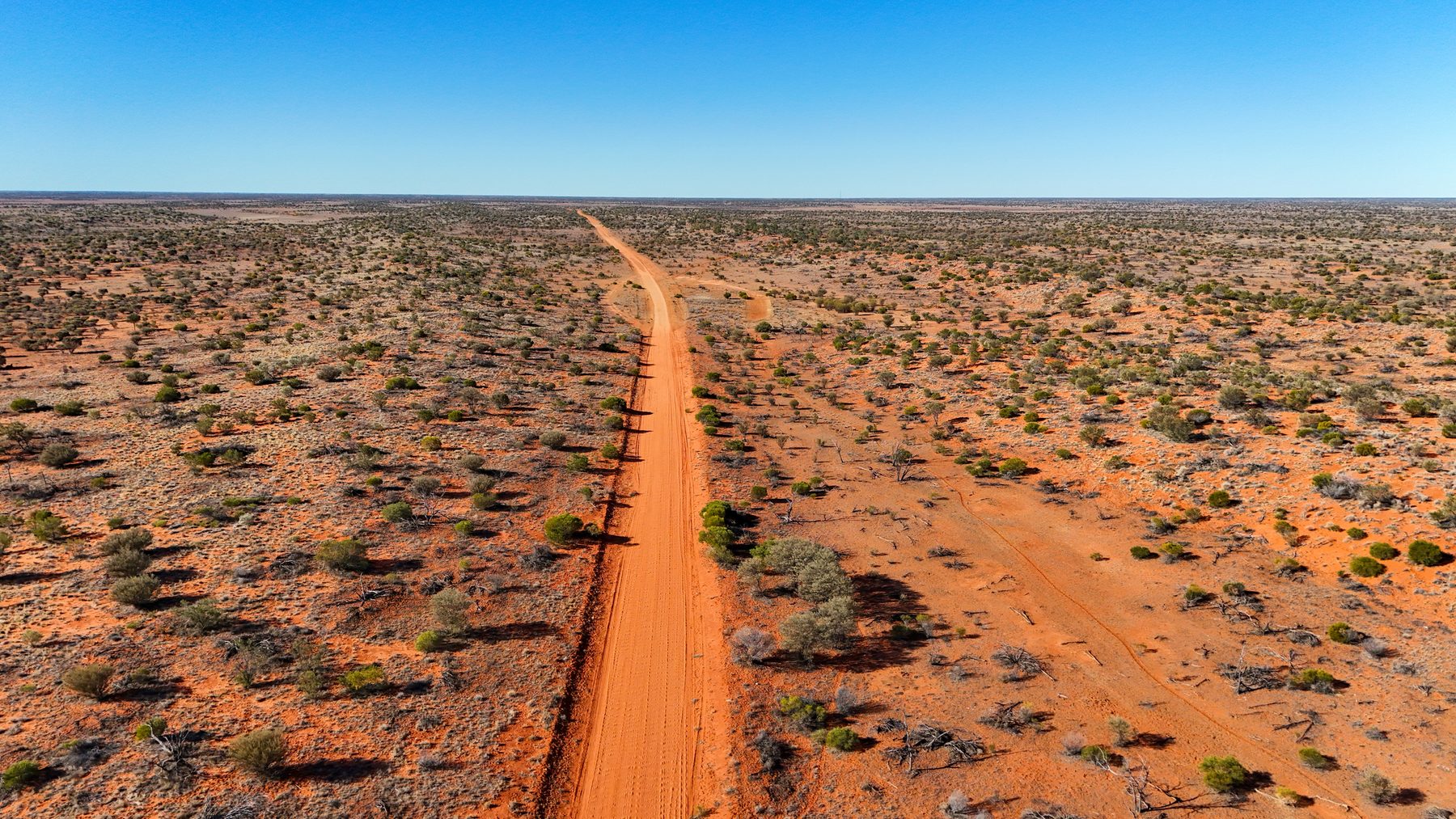
Why linear projects fail differently
Most project negotiations are bilateral. Linear infrastructure is not. The route is fixed by engineering and approvals long before anyone knocks on a gate, every landholder on it knows what the ones either side were offered, and a single refusal at the wrong chainage can force a realignment that costs more than every easement payment combined. Telecommunications carriers, transmission proponents and pipeline operators all run into the same arithmetic: the program is only as fast as its slowest negotiation.
Co-location and third-party land add a second layer. Where a carrier wants space on another operator’s structure, or a route runs through a corridor someone else already holds, the counterparty is a commercial one with its own program to protect — a different negotiation entirely from the one happening at the farm gate.
Why site-by-site negotiation stalls
Run one landholder at a time, by whoever is free that week, and three things follow. Terms drift, because nobody is holding the line on precedent. Word travels faster than the acquisition team, so the fortieth landholder negotiates against the best deal the first thirty-nine heard about. And the holdouts learn that delay is rewarded, because it has been. By the time the pattern is obvious, the program has lost a season and the easements still are not signed.
How we negotiate it
Equipoise runs the alignment as a single negotiation with many counterparties. That means a consistent framework of terms with the variation deliberately placed where it belongs — timing, access windows, rehabilitation, biosecurity, the things that differ genuinely from one property to the next — rather than in the headline figure. It means setting out the statutory position early, so every landholder understands what happens if no agreement is reached, and it means sequencing: the landholders whose agreement unlocks the most route are not necessarily the ones at the start of the line.
Where it has already hardened
Everything above assumes the route is still being negotiated. Where a landholder has already refused, gone to the regulator or taken it public, the problem is no longer an acquisition program — see land access and compensation disputes. Where another proponent holds the ground you need, that is coexistence.
In this service Equipoise acts for the proponent. We negotiate directly with the landholders and counterparties whose agreement the route depends on, and we say so in the room.
If your situation warrants a conversation.
Everything you share is confidential and goes directly to Nick, the principal. Equipoise takes a small number of matters each year — billed hourly to scope the matter, then a single fixed fee once its complexity is clear.