Native title and cultural heritage
Agreements with Native Title parties, and the cultural heritage questions beside them, are among the most consequential a project will make. We convene and resolve them with cultural competence, not legalese.
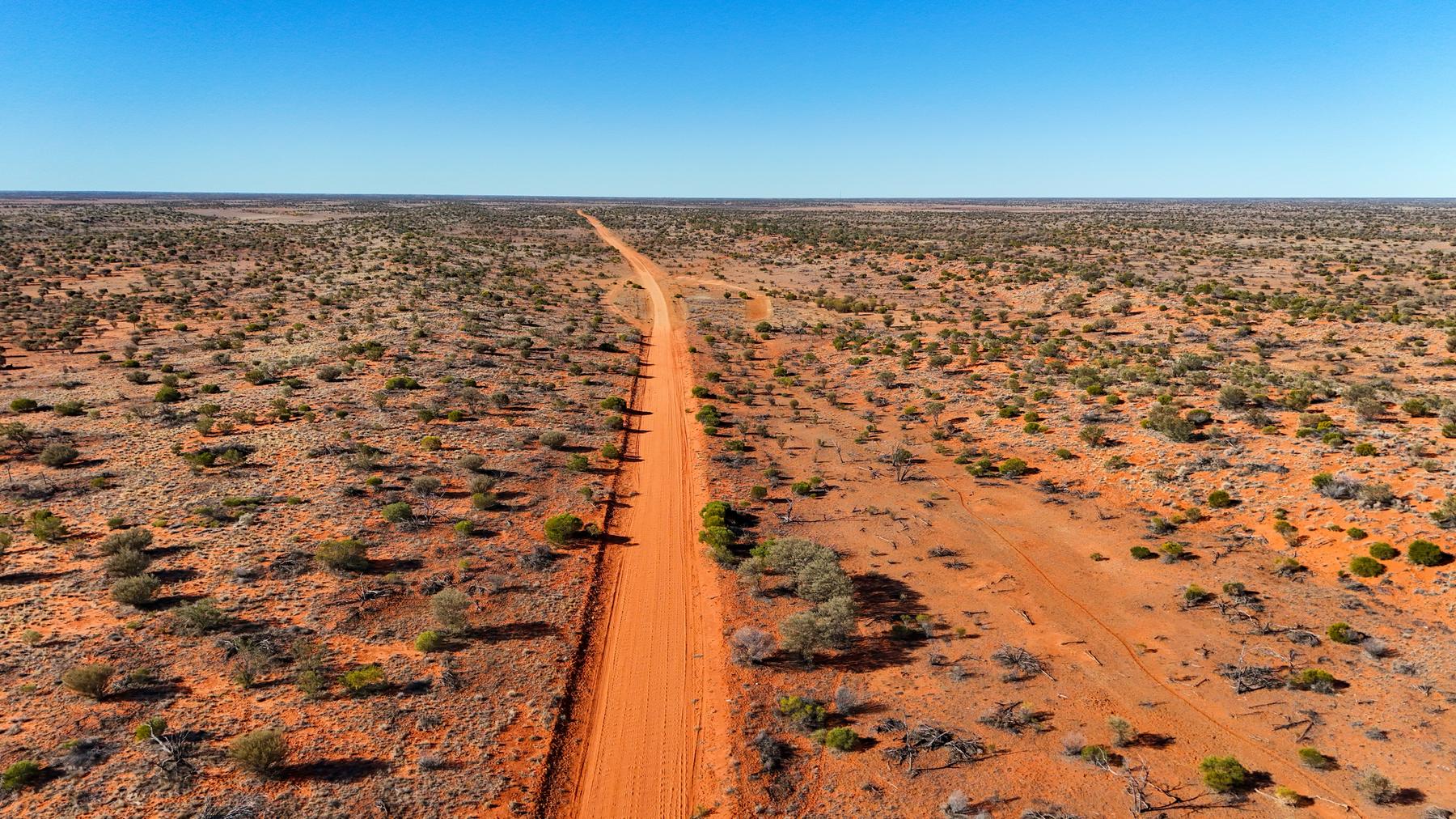
The ground these disputes sit on
Native title negotiations, Indigenous Land Use Agreements (ILUAs) and cultural heritage assessments carry legal, commercial and deeply human dimensions at once. Handled as a purely legal exercise, they stall — or produce an agreement no one owns and no one honours. Heritage concerns that surface late, or are answered only on paper, tend to migrate into the kind of public standoff we resolve in environmental and community disputes.
Why cultural competence is the work
An operator can be entirely within its rights and still fail, because the process felt disrespectful. Equipoise’s principals have spent more than a decade at the table with Native Title parties across the resources sector, and hold formal training in Aboriginal and Torres Strait Islander cultural competence. That is what lets us sit in a room with an elder and a board member and be taken seriously by both.
How we resolve them
We listen first, on the Native Title parties’ terms, before any commercial term is on the table. We convene under ground rules that neutralise the adversarial frame, turn positions into interests, and negotiate against objective criteria. The aim is an ILUA or heritage arrangement that binds, lasts, and survives the staff turnover that defines most projects.
If your situation warrants a conversation.
Everything you share is confidential and goes directly to Nick, the principal. Equipoise takes a small number of matters each year — billed hourly to scope the matter, then a single fixed fee once its complexity is clear.